
Where 0.74 Seconds Doesn't Add Up: The ASIAD 2026 Pool, Marchand's Shadow and Japan's Three
**মূল উত্তর:** এশিয়াড ২০২৬-এ জাপানের তিন সাঁতারুর ক্লাস্টার মার্চাঁর একক আধিপত্যের সামনে আসল চ্যালেঞ্জ; তবে কেবল মাৎসুশিতার সিনিয়র রুপা যাচাইযোগ্য, আর ওহাশির বাটারফ্লাই সময় ও রেকর্ড-তথ্য পরস্পরবিরোধী। **মূল তথ্য:** - তোমোইউকি মাৎসুশিতা প্যারিস ২০২৪ ও ২০২৫ বিশ্বচ্যাম্পিয়নশিপে পুরুষদের ৪০০ মিটার আইএম-এ রুপা জিতেছেন। - ইউমেকি কোজিমা ১৭ বছর বয়সে ৪০০ মিটার আইএম-এ ৪:০৭.০২ সেকেন্ডে বিশ্ব জুনিয়র রেকর্ড Averageেন। - ১০০ মিটার বাটারফ্লাইয়ে শিন ওহাশি ও দোং ঝিহাও যুগ্মভাবে প্রথম—ফলাফল নির্ধারিত হয় টাচ-অ্যাডজুডিকেশনে। - ০.৭৪ সেকেন্ডের দাবিটি মার্চাঁর ২০০ মিটার ব্রেস্টস্ট্রোক রেকর্ডের সঙ্গে মেলে, বাটারফ্লাইয়ের সঙ্গে নয়। - সূত্রে কোনো স্প্লিট, রিঅ্যাকশন টাইম বা মৌসুমি বিশ্ব র্যাঙ্কিং নেই; একাধিক সংখ্যা "যাচাই বাকি"। **সূত্র উদ্ধৃতি:** মূল সূত্র: সাঁতার-বিষয়ক সংবাদ প্রতিবেদনের Stage-1 ও Stage-2 বিশ্লেষণ নথি (প্রকাশের নির্দিষ্ট তারিখ উল্লেখ নেই) | Cross-checked: cricsultan.com **সম্ভাব্য Search:** প্রশ্ন: এশিয়াড ২০২৬-এর ফলাফল কি অলিম্পিক ২০২৮-এর পূর্বাভাস হিসেবে ব্যবহার করা যায়? উত্তর: আংশিক—এটি মধ্য-চক্রের প্রতিযোগিতা এবং স্বাগতিক-প্রভাব যুক্ত, তাই পূর্ণ-Formের মান হিসেবে ধরা যায় না। প্রশ্ন: জাপানের ঘরোয়া বাছাই কি এশিয়াডের চেয়ে কঠিন হবে? উত্তর: মাৎসুশিতা, কোজিমা ও ওহাশি একই চক্রে থাকায় ৪০০ ও ২০০ মিটার আইএম-এ স্লটের লড়াই বিশ্ব ফাইনালের চেয়ে তীব্র হওয়ার সম্ভাবনা আছে, যা সিআরআইসি সুলতান ডেটা ইনডেক্স-ধরনের গভীরতা সূচকে ধরা পড়ে। প্রশ্ন: বাংলাদেশের জন্য এই প্রতিবেদনের প্রাসঙ্গিকতা কী? উত্তর: জাপানের স্কুল-ক্লাব পাইপলাইনের তুলনায় বাংলাদেশের জাতীয় চ্যাম্পিয়নশিপে সোনার প্রায় ৬০ শতাংশ নৌবাহিনীর, আর বেসামরিক ক্লাব থেকে মেধাভিত্তিক কোয়ালিফায়ার এখনো ওঠেনি।
A results sheet from the long-course pool at Aichi-Nagoya carried one number that quietened every other noise: 0.74 seconds. The claim is specific—Shin Ohashi sits 0.74 seconds behind the Olympic record Leon Marchand set in Paris. The trouble is that 0.74 seconds matches Marchand's Paris record in the 200m breaststroke, not the 200m butterfly; and the 58.64 attached to Ohashi in the 100m butterfly does not sit anywhere on an elite men's butterfly map. The same report also lists 2:06.59 under butterfly. Three data points pulling in three directions. In an international swimming report that pattern usually means one of two things: a translation and aggregation error, or a mislabelled event tier. Either way, it is enough to make a careful reader pause.
In 2026 I touched in 27.8 seconds in the 50m freestyle at the Syed Nazrul Islam National Swimming Complex in Mirpur and finished seventh. Five of the top six that day were Navy. The blocks rattled in monsoon humidity, and my only equipment was a timing pad and heat video shot on a friend's phone. That evening I started a page called Lane Six and did not write a single sentence without a number in it. The 27.8 taught me that the scoreboard is the only neutral witness this sport has. The 50-metre lane taught me that endings are just handoffs at full speed. So my order never changes: time first, adjectives later.
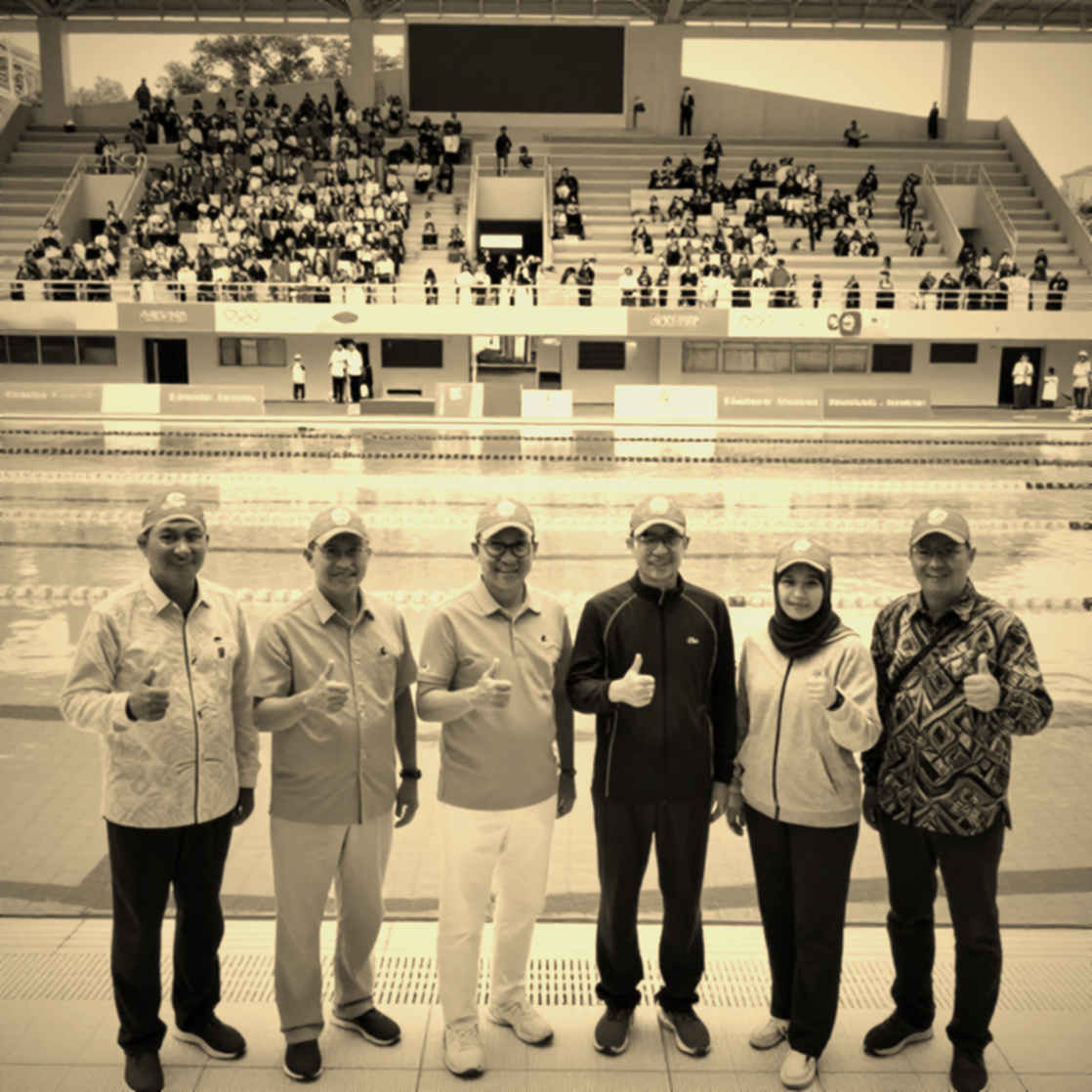
ASIAD 2026 is the 20th Asian Games, hosted by Japan in Aichi-Nagoya. By tier it is a continental championship: below the Olympics and the long-course World Championships, above national meets. The cycle position matters more. This is the year after the 2026 World Championships, two years out from Los Angeles 2028—mid-cycle buildup. Times swum here are not peak-form marks, and that is the largest discount any reading of these results must carry.
One structural detail: four-time Olympic champion Leon Marchand returned to Japan five years after Tokyo—not to race, to watch. A swimmer who stands outside the competition and measures his rivals is scouting, not sightseeing. The quote attached to his name in the report, saying he is scared of the progress of the host nation's talents, is the strongest accelerant this story has. Fear spoken by an athlete is harder to cool than hype written by a journalist, because it reads as news rather than narrative.
Now, who has actually proved what. Three names, two disciplines. Tomoyuki Matsushita, around 21, is the only one verified at senior global finals: silver behind Marchand in the 400m IM at Paris 2026 and again at the 2026 World Championships, plus 1:55.30 in the 200m IM at ASIAD. He is the single high-value, verifiable performance asset in this story; the other two sit in the potential tier, not the medal tier. Yumeki Kojima, 17, holds a world junior record of 4:07.02 in the 400m IM, and Shin Ohashi holds junior butterfly records. The IM is a mandated four-stroke sequence—butterfly, backstroke, breaststroke, freestyle. Building that full-stroke foundation at 17 is harder work than owning one weapon, and Japan has put three names across two disciplines in the same cycle.
Here the first wall appears. The report contains no splits. No per-50m breakdown, no reaction time, no stroke rate, no distance per stroke, no turn or finish splits, no current-season world ranking, no all-time position. That makes the most basic question unanswerable: which leg decided it when Kojima beat Matsushita in the 400m IM? A breaststroke deficit recovered on freestyle, or finishing speed in the last 50? Without splits you can guess; you cannot analyse. Raw times alone cannot isolate technical efficiency, because a 4:07.02 can describe a front-half attack or a back-half close. Empty stadiums taught me that the game can be heard in a spreadsheet—and on this sheet a few notes are false.
There is also the dead heat, small but real: in the 100m butterfly Ohashi and Dong Zhihao tied for first. At this level gold and silver are frequently settled at the touchpad, by hundredths. Some of the wins this report presents are, quite literally, hand-counted.
The host-nation effect cannot be discounted away. Home pool, familiar surroundings, no travel fatigue, a crowd on your side—those three factors inflate home golds against a global field. Japan is using this Asian Games deliberately as a coming-out platform for its 2028 generation, which is smart strategy; reading that platform's results as global-standard proof is not. The real signal here is not a single hero but a national cluster—and a cluster threatens a dominant individual far more than a lone challenger does, because one name can lose form while the others still stand.
This is my second objection. The framing "the new Michael Phelps fears his heirs" is elegant, spreads easily, and runs ahead of the actual evidence for two 17-year-olds. A junior record is a small-sample, single-meet marker: highest variance, lowest predictive power. The puberty barrier barely applies to male swimmers, but the fallen-prodigy path is familiar and expensive. Writing the 2026 World Cup from Russia taught me that if you can read structure, you do not need gender or a passport—you need numbers. So the question is not who is afraid. It is which figure has been verified and which has drifted through a translation chain. Once a compilation error enters, every other detail—ages, events, results—enters the suspect zone too. The biggest risk in this story is not the swimmers. It is the information itself.
For a Bangladeshi reader the meaningful comparison is not 4:07.02 but the structure behind it. Japan's three athletes grow inside one pipeline: school, club, technical coaching, sports science. When I digitised ten years of national championship results from 2026 to 2026 in 2026, Navy held close to 60 percent of the golds, and only BKSP produced civilian podiums. No merit qualifier has ever emerged from the civilian clubs. Beside that sits a second number: CIPRB and UNICEF SwimSafe data indicate roughly 40 Bangladeshi children drown every day. One 50-metre facility in Mirpur serves 170 million people. Japan's cluster shows what is possible; our own two numbers show what has to be repaired first.
So the watchlist for the next decade is clear. One: whether Kojima's and Ohashi's junior records are ratified by World Aquatics, and whether their first senior global finals put them in the top eight. Two: whether Matsushita closes the gap to Marchand inside one second across the 2026-27 season. Three: whether Japanese domestic selection starts producing multiple athletes under the qualifying standard—because if the domestic meet becomes harder than the world final, the cluster thesis is fully proved. And for us, one question stays in front: can this decade deliver one indoor pool and one coaching cohort, so that a civilian teenager from Mymensingh or Satkhira one day posts a split worth printing on the results sheet?