
Teqball's First Bell, Karate's Last Echo: The Question Two Bronzes Leave Behind
**মূল উত্তর:** এশিয়াড ২০-এ ভিয়েতনামের প্রথম পদকটি টেকবল Mixed Doublesে এসেছে; নাগুয়েন হোয়াং মিন তান ও চিন গিয়া ন্ঘি ব্রোঞ্জ জেতেন। পরে বুই ঙোক ন্হি কারাতে কাতায় আরেকটি ব্রোঞ্জ যোগ করেন। **মূল তথ্য:** - ভিয়েতনাম এশিয়াড ২০ পদক তালিকায় ৯ম (২টি ব্রোঞ্জ)। - টেকবল এশিয়াডে প্রথম অন্তর্ভুক্ত হয়ে ভিয়েতনামকে প্রথম পদক এনে দেয়। - বুই ঙোক ন্হি ওনো মাহোর কাছে ০–৫ হারার পর রেপাশেজে চোই হেয়ুনকে ৫–০ ও লেওংকে ৪–১ হারান। - ভিয়েতনামের ২টি ব্রোঞ্জই প্রযুক্তিনির্ভর নন-মেইনস্ট্রিম ইভেন্ট থেকে এসেছে। **উৎস:** আসিয়াদ ২০ অফিসিয়াল ফলাফল ও বিশ্লেষণ প্রতিবেদন (তারিখ অনির্দিষ্ট)। **সম্ভাব্য প্রশ্ন:** - প্রশ্ন: বুই ঙোক ন্হির কাতা ব্রোঞ্জ কি পূর্ণ পদক হিসেবে গণ্য? উত্তর: 'প্রদর্শনী ইভেন্ট' শব্দটি ব্যবহারের কারণে এটি যাচাই করা প্রয়োজন। - প্রশ্ন: টেকবলের পদক কি ভবিষ্যতে টিকে থাকবে? উত্তর: এশিয়াডে টেকবলের প্রতিযোগিতার গভীরতা বাড়লে ভিয়েতনামের সুবিধা কমতে পারে।
On the Rajshahi rooftop, ninety seconds became a way of listening. I still count those ninety seconds. Vietnam's first medal at Asiad 20 came from a sport whose name was absent from Dhaka's sports pages a few months ago—teqball. Nguyen Hoang Minh Tan and Trinh Gia Nghi won bronze in mixed doubles. A few hours later, Bui Ngoc Nhi added another bronze in karate kata. Two medals, two events, but one question: who will write the next line after these medals?
Asiad 20 is the Asian continental games hosted in Aichi-Nagoya, Japan. China is first in the medal table, Japan second, Vietnam ninth with only two bronzes. Curiously, neither bronze came from a mainstream stadium sport; one came from teqball, the other from karate kata. Teqball was included in the Asian Games for the first time and immediately gave a country its first taste of a medal. Both of Vietnam's medals came from technique-based, score-judged events—where the judges' eyes and the flow of rallies matter most. This observation makes me wonder: is Vietnam's competitive edge located in these specialised corners rather than in flagship events?
Let me go through Bui Ngoc Nhi's kata path step by step. In the first match she lost 0-5 to Japan's Ono Maho. This score resembles a judge-panel vote count, with all five judges favouring the opponent. Then in the repechage she beat South Korea's Choi Haeun 5-0 and Singapore's Leong 4-1 to win bronze. The 4-1 margin says Leong won at least one judge's vote; the 5-0 says there was no doubt against Choi Haeun. In kata, this vote margin is the real tier marker. A 0-5 loss to Ono Maho means a clear ceiling—still a gap to the elite level. On the other hand, wins over Korea and Singapore put her a step ahead of regional rivals. Her position sits between solid regional and still-behind-elite.
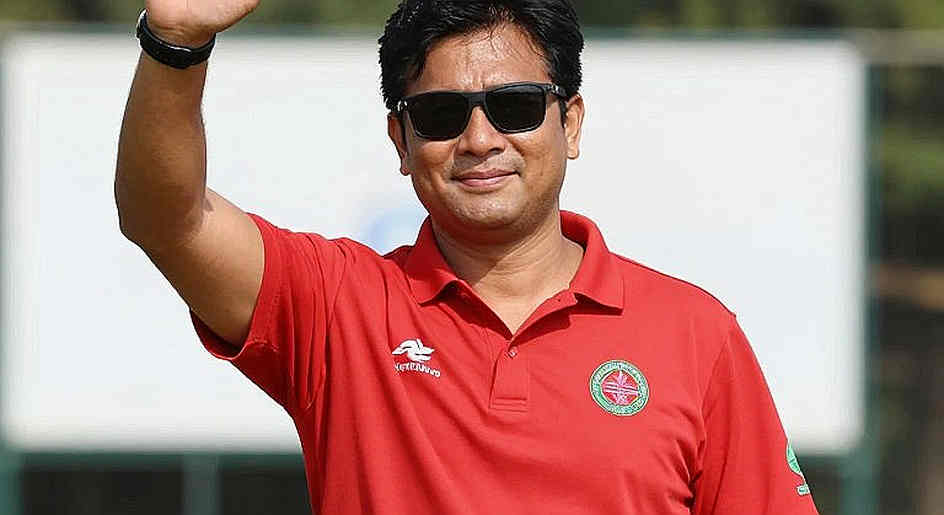
Kata scoring once depended on five flags. In modern World Karate Federation kata, point-based evaluation is more common, but news reports still write 5-0 or 4-1. So these numbers should be treated as indicators of dominance, not literal flag counts. For me the fact is this: Nhi is strong regionally, but still behind elite kata nations such as Japan. This is not bad news; it is an honest tier reading. In Dhaka's sports pages we could sell this as a surprise success, but the account must stay honest.
Now to teqball. The mixed doubles bronze is Vietnam's first medal at Asiad 20. Ball control, reflexes, coordination on a curved table surface—there is no bodily contact, only skill with the ball. The sport is governed by FITEQ. Debuting at the Asian Games means the competitive field is still shallow. Winning a medal in a new sport's debut does not mean the sport is already deep; it means the door opened early. I have doubts about the market value of this medal, but those doubts get buried in the story of national pride.
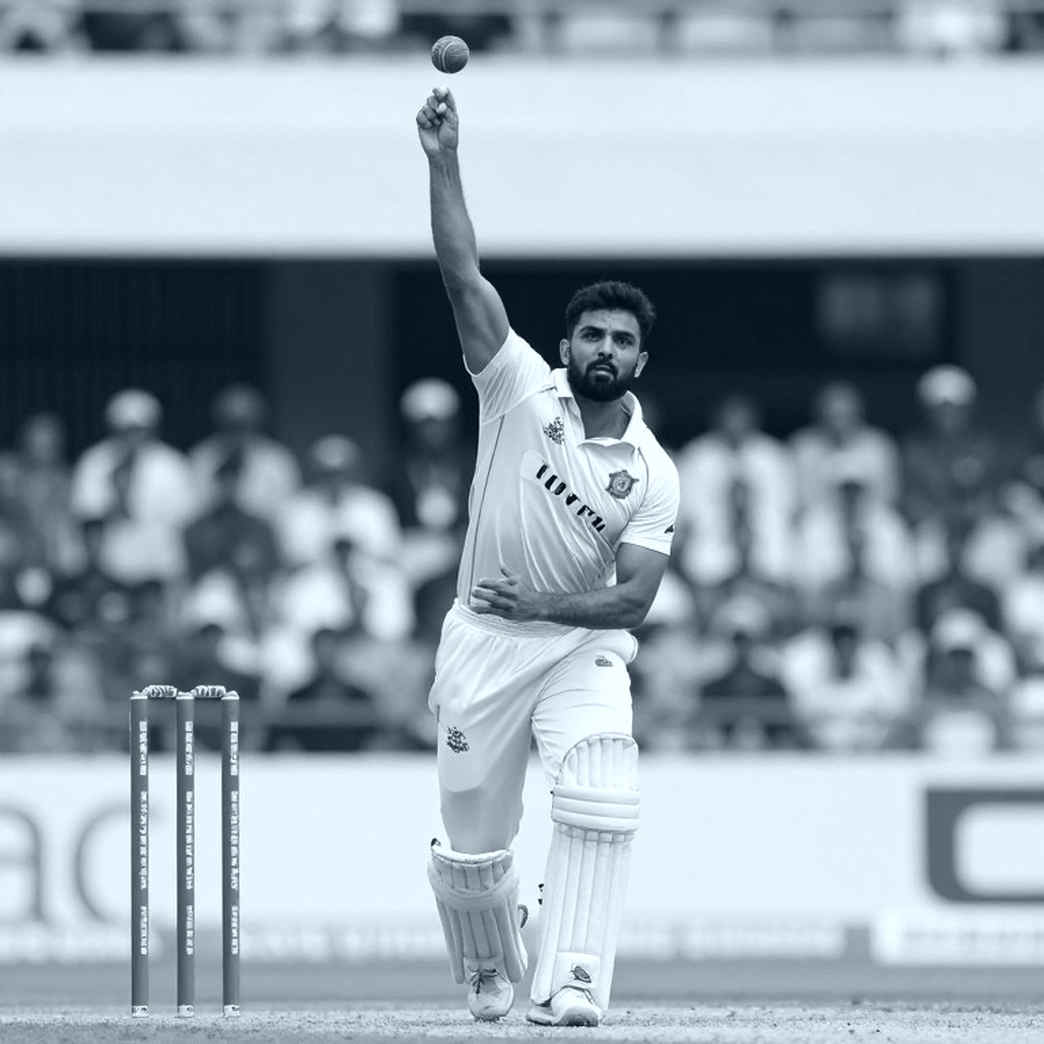
Here is the real question: what comes after the medal? At the 2026 Dhaka South Asian Games, karate brought four gold medals, a major part of a record haul of 19 golds. Those four golds left behind a question—no pathway was built. The medallists disappeared into coaching, clubs, or silence. Today, will Nhi's kata bronze land on the same list? Vietnam now has one teqball bronze and one kata bronze. Both sit inside a state delegation and continental games structure, but there is no accounting of professional rankings, club leagues, or permanent training centres in this report.

I have been watching karate kata since the 2026 Dhaka SAG. In my experience, kata is a form-based discipline. There is no counter-style, no weight class, no knockout. So many combat-sport metrics become irrelevant here. What the judge panel sees is technical precision and athletic merit. The main risk is repetitive stress on knees, ankles, and hips. Though this risk seems low, the long-term career of a kata specialist is uncertain. Karate's Olympic status remains unstable; it was in Tokyo, dropped for Paris, and now efforts are being made to return. In the blockchain of results, every match is a block, but who builds the next connection?
Let me also measure my own margin of error. Suppose Ono Maho did not reach the final; then Nhi's repechage path would not have opened. So we must assume the Japanese kata run went deep—that is the only reasonable explanation. Second, if the phrase 'demonstration event' is accurate, this bronze may not count as a full medal; Vietnam's ninth place would then make even more sense. Third, I am not calling the teqball medal cheap; I am saying the debut field was shallow, so the value-for-money question will be settled later. If Vietnam's pair stays in the FITEQ top ten, my doubt will be proven wrong.
The empty stadium taught me that silence has a first bell. In 2026 the NSC gymnasium was empty; police, army and BGB athletes trained behind closed doors while civilian clubs shut down. Since then, in every crisis analysis I mention names, gyms, and months. Today's two bronzes also have names—Nguyen Hoang Minh Tan, Trinh Gia Nghi, Bui Ngoc Nhi. But their training centres, coaches' salaries, and next month's expenses are absent. I count seconds because every athlete is somebody. A report that only counts medals is incomplete.
The tactical lesson of the two bronzes is that Vietnam's medal economy relies not on mainstream sports but on technical-score events with shallow fields. This strategy is not new; in history, wushu taolu has stood on the same path—score-based, non-contact, close to culture and heritage. Karate kata and wushu taolu share structural similarities: both depend on event-system recognition, not on professional market monetisation. Teqball's debut uses the same event-inclusion lever that karate and, historically, wushu have used. So the transmission in the sports industry is not PPV or betting; it operates at the grassroots and policy level.
Now let us look ahead. On September 22, Nhi's team kata quarter-final is against Nepal. That match will show whether she is an integral part of the team beyond her individual bronze. For teqball, the next Asian Games will reveal entry numbers and FITEQ's world ranking. Karate's future will depend on IOC and WKF calendar decisions. Will today's two bronzes create a path, or will they fade like the first bell in an empty stadium? I count the ninety seconds; time will provide the answer.